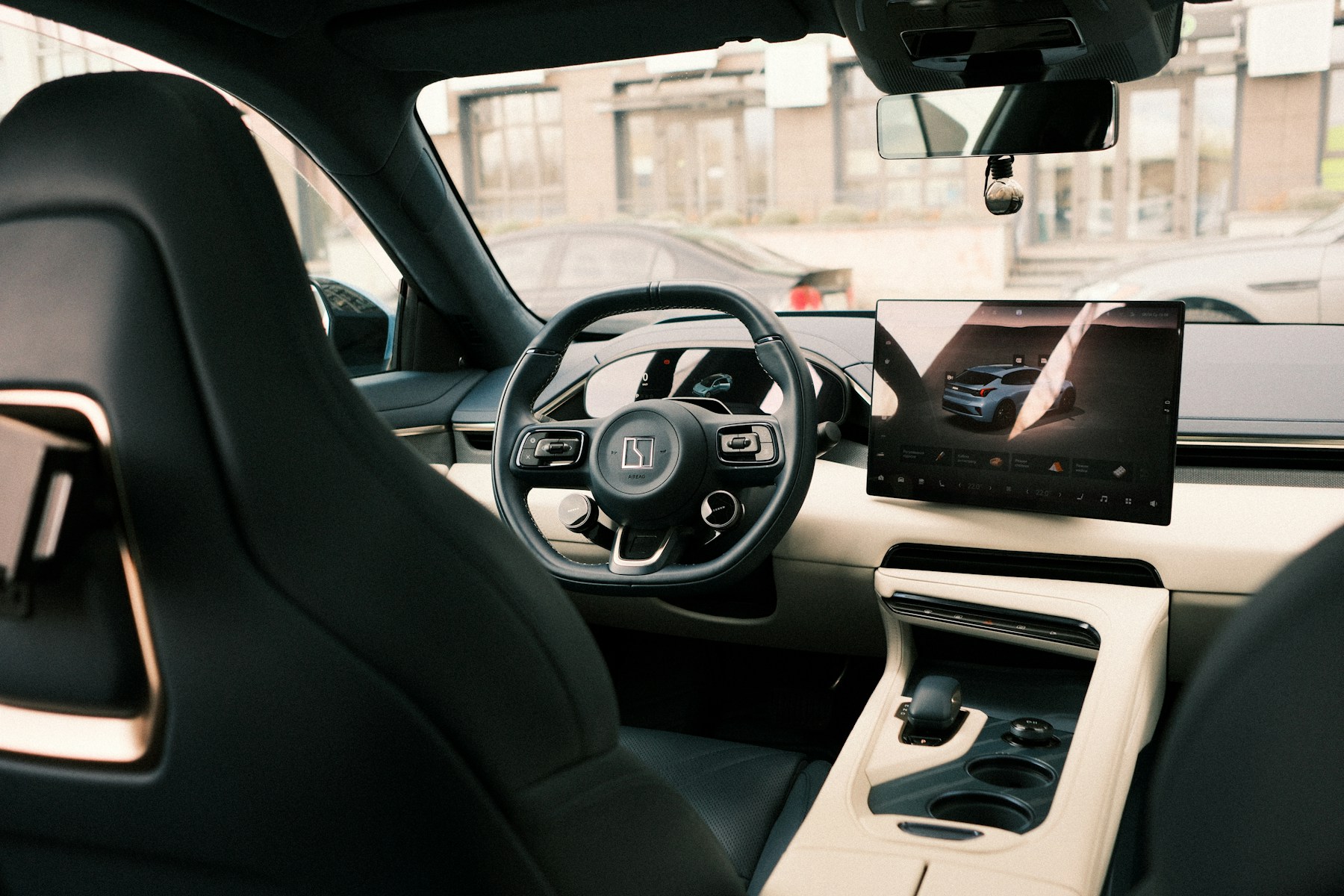
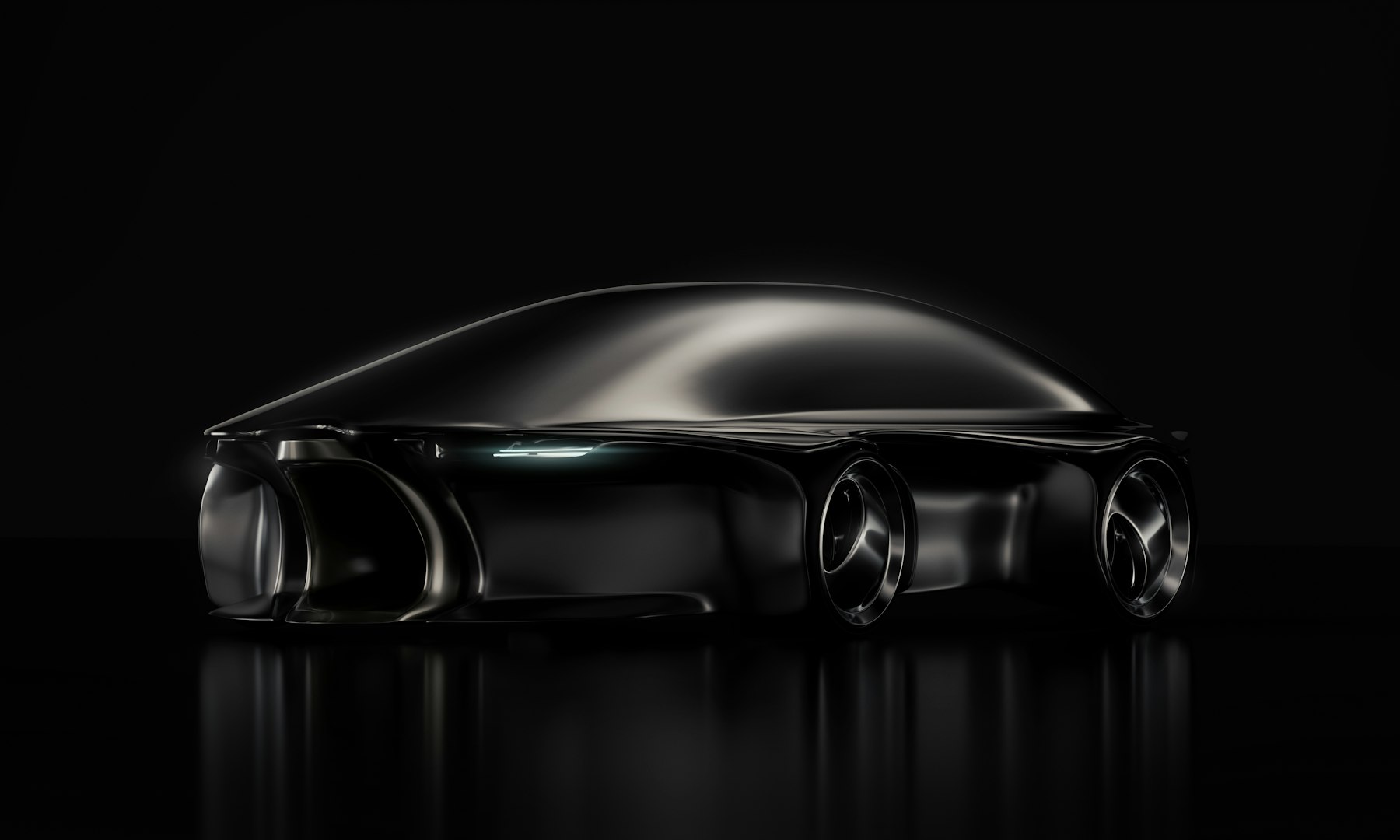
EFFEREST tackles the user experience and energy efficiency of electric vehicles together. The project runs under Horizon Europe with a budget of approximately €6.4 million between 2024 and 2028. Uzay Tech is contributing across the virtual driver model and driver-behavioural modelling work packages.
EFFEREST's premise is clear: even as electric vehicles become more affordable, user acceptance still depends on range, comfort and charging time. The consortium aims to develop a holistic engineering approach that improves user experience and vehicle energy efficiency simultaneously.
Consortium architecture
The consortium brings the leading players of the European automotive ecosystem together. Austria-based Virtual Vehicle (v2c2) acts as the project coordinator. Germany's BOSCH and MAGNA sit in Tier-1 roles; from Türkiye, TOGG and SIRO lead vehicle integration and cell-level work respectively; Spain's CTAG focuses on user studies and the human-machine interface (HMI). Uzay Tech sits at the technical core of the consortium through virtual driver model development and driver-behavioural modelling.

Consortium Partners




Uzay Tech's role in EFFEREST
Uzay Tech works on two main technical areas. The first is the development of a virtual driver model designed to reflect realistic driver decisions and to interact with the electric vehicle's energy-management algorithms inside the project's virtual demonstrator environment. The second is driver-behavioural modelling: a systematic framework for analysing how different driving profiles (eco, normal, sportive) influence energy consumption depending on traffic conditions and user preferences.
€6.4M
Project budget
4 years
Duration (2024-2028)
7+
Consortium partners
Expected impact
The virtual driver model and behavioural modelling outputs allow the energy-management solutions developed by the consortium to be tested across a wider spectrum of user profiles. This approach helps real-world consumption converge closer to lab values and feeds the engineering decisions that will support broader user acceptance of electric vehicles.