UzayTech

Uzay Energy & Recycling

From strategy to reality — sustainable energy and recycling.

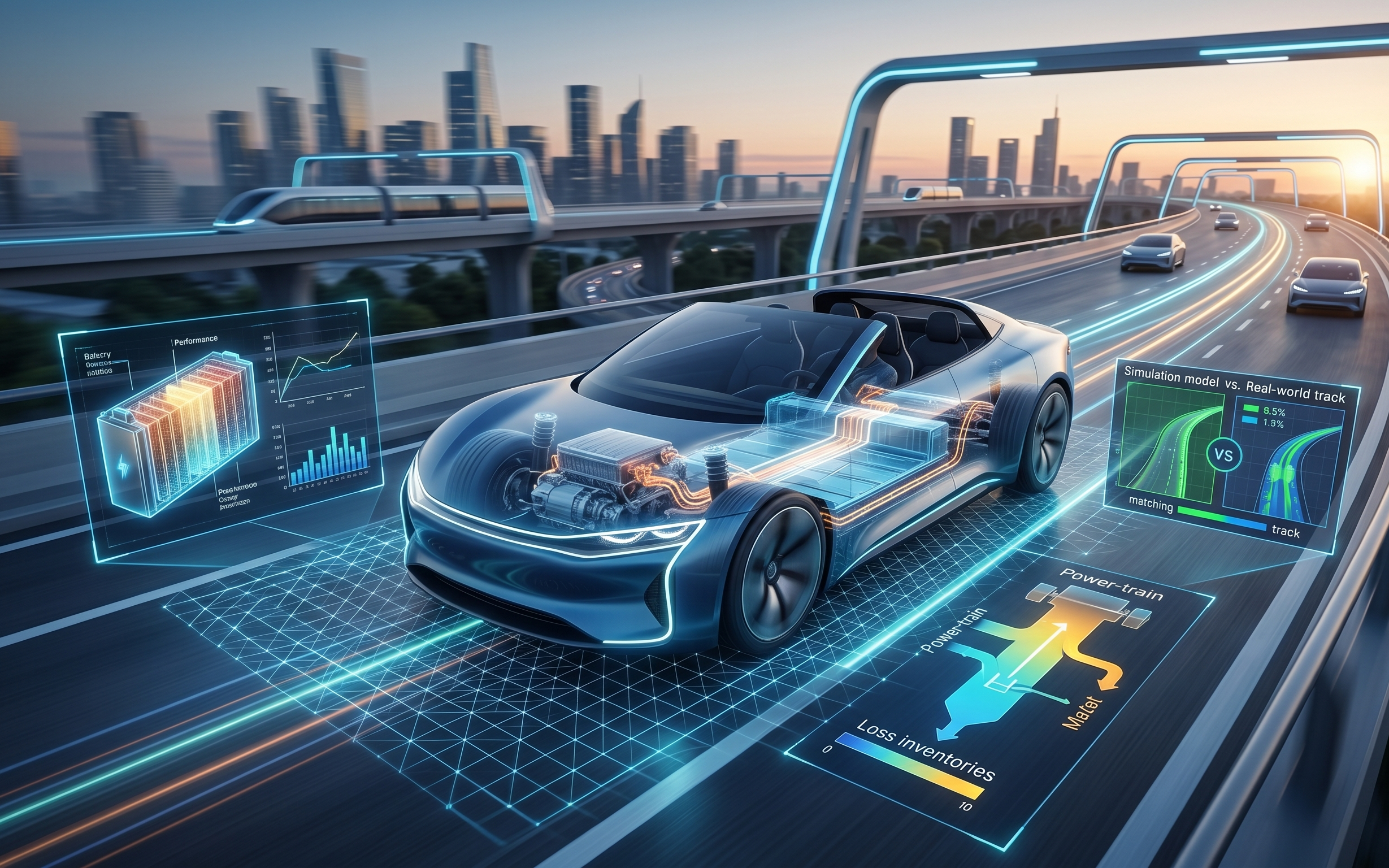
Integrated energy engineering across automotive lithium-ion cell research, pack design, Connected-BMS, and our recycling roadmap.

Expertise across the entire automotive battery value chain.

The automotive electrification journey is not just about producing battery cells more cheaply. The choice of cell chemistry, pack design, thermal management, BMS algorithms, and finally the recycling of the battery returning from the field — all parts of a single whole. Uzay Energy & Recycling concentrates that whole under one engineering team's responsibility. Connected, intelligent, and efficient energy solutions for sustainability.

  • Cell chemistry research (NMC, LFP, NCA, solid-state)
  • CTP, MTP, Cell-to-Chassis pack architectures
  • Cloud-connected, continuously learning BMS systems
  • Lithium-ion battery recycling roadmap and second-life

By the numbers

NMC/LFP

Cell chemistries

CTP

Pack architecture

ML-SoH

Connected BMS

Closed-loop

Recycling

A battery's life starts when it leaves the factory; it does not end on the recycling line.

Our Design Philosophy

A battery's life starts when it leaves the factory; it does not end on the recycling line.

Classic engineering thinking views the battery as a design-build-sell chain. The modern expectation is different: carrying back what the battery learns in the field to the development side via the cloud, designing second-life applications at design time, and treating recovered raw material as part of the supply chain. This closed-loop approach aligns directly with the EU Battery Regulation.

Capability areas

Cell-Level Research

/ 01

Cell-Level Research

We develop next-generation cathode chemistries (NMC, LFP, NCA), run solid-state electrolyte research, and conduct cell-format studies. With academic partners we operate product-aligned cell-development programmes. Cell-characterisation experience gained in the EFFEREST project alongside the SIRO and TOGG ecosystem ties our capital to industry practice.

  • Cathode/anode chemistry selection and characterisation
  • Solid-state and sodium-ion cell research
  • Cell ageing tests and lifetime modelling
  • Electrochemical Impedance Spectroscopy (EIS) analyses
  • University/Tier-1 research consortia
5+ chemistriesActive research
Battery Pack Design

/ 02

Battery Pack Design

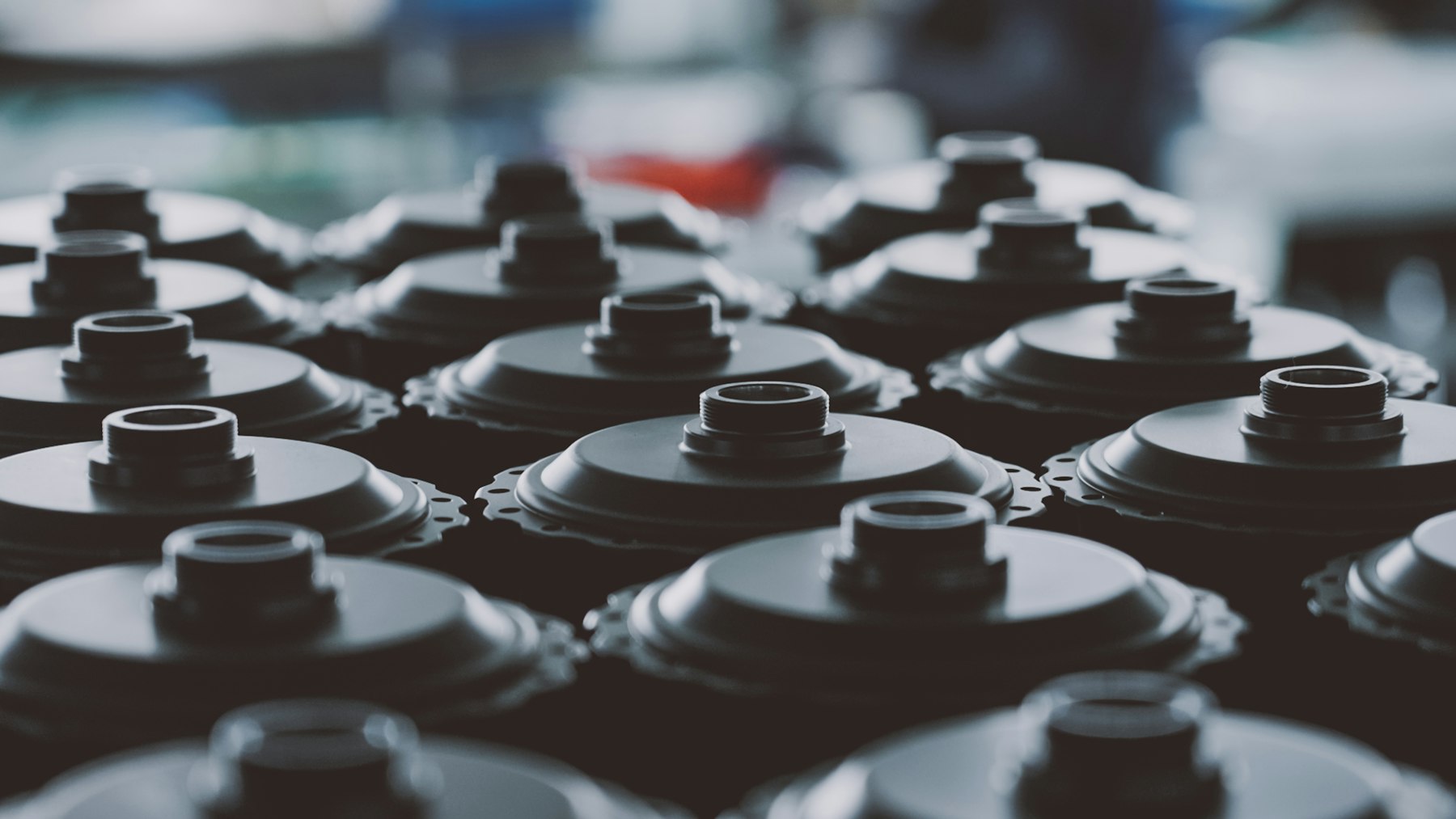
Full pack development support with thermal management, mechanical design, and safety analysis across cell-to-pack, module-to-pack, and cell-to-chassis architectures. Thermal runaway prevention, crash safety, and homologation files are managed internally.

  • Cell-to-Pack (CTP), Module-to-Pack (MTP), Cell-to-Chassis design
  • Liquid, cold-plate, and immersion thermal management
  • Crash safety and thermal runaway prevention
  • ISO 6469, UN 38.3, UN-R100 homologation support
  • Energy density vs. safety trade-off optimisation
CTP-readyArchitecture
Connected-BMS

/ 03

Connected-BMS

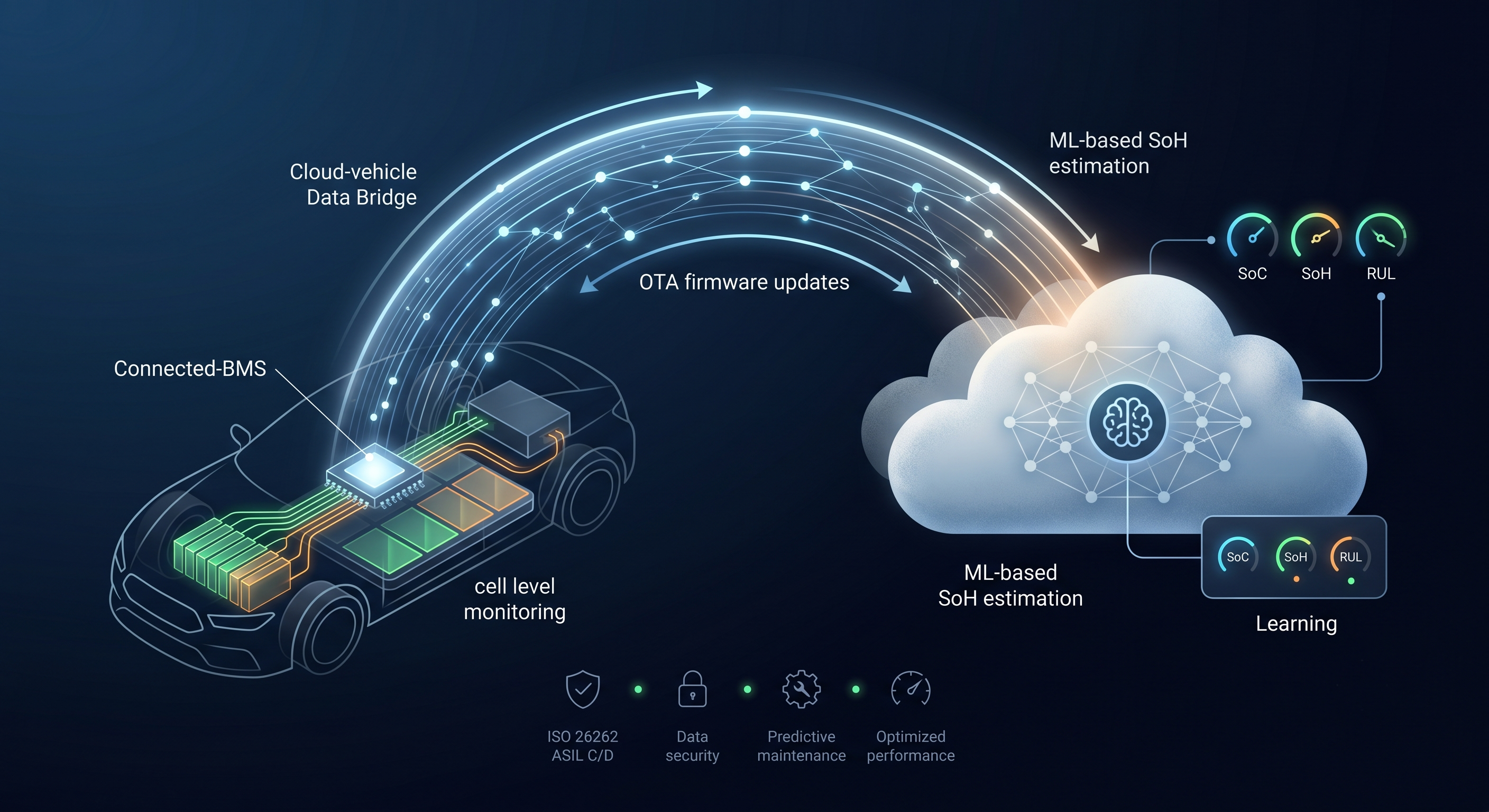
We develop cloud-connected, continuously learning BMS systems. Modern BMS architectures with cell-level measurement, balancing algorithms, SoC/SoH/RUL estimation, and OTA-update capability. Our ML-based SoH estimation models can be up to three times more accurate than the traditional coulomb-counting approach.

  • Active and passive cell balancing algorithms
  • ML-based SoC, SoH, RUL estimation models
  • Cloud-vehicle data bridge and fleet-level analytics
  • OTA-updatable BMS firmware architecture
  • ISO 26262 ASIL-C/D compliant BMS software lane
3xSoH accuracy uplift
Lithium Battery Recycling — Germany Investment Plan

/ 04

Lithium Battery Recycling — Germany Investment Plan

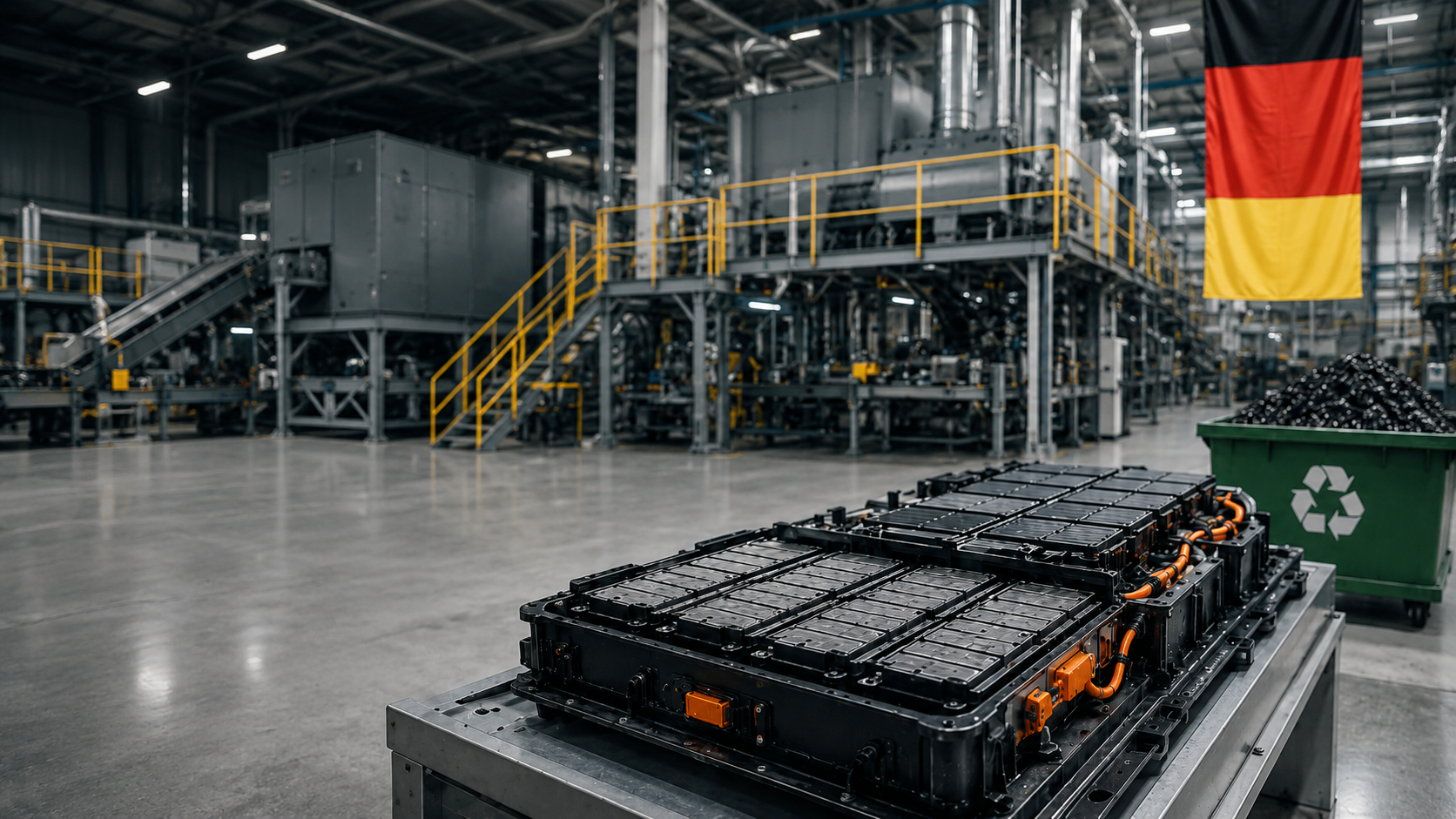
We are planning to invest in a lithium battery recycling facility in western Germany. The facility will focus on the EU-compliant collection and recovery of end-of-life automotive battery packs. The plan is currently at the feasibility, location-analysis and partnership-discussion stage.

  • Feasibility study and location assessment in western Germany
  • Process design aligned with the EU Battery Regulation
  • Discussions with European OEMs and fleet operators on collection
  • Strategic-partnership and financing models
  • Carbon footprint tracking and reporting
PlanInvestment stage

How we work

Energy programmes in four steps

  1. 01

    Goal & Chemistry Selection

    Cell chemistry selection aligned to the customer's application goal, performance, and cost expectations.

  2. 02

    System Design

    Integrated design phase covering pack architecture, thermal management, and BMS algorithms.

  3. 03

    Verification & Certification

    UN 38.3, ECE R100, ISO 6469 testing and homologation process support.

  4. 04

    Operations & End-of-Life

    Fleet monitoring, second-life applications, and recycling planning.

Why UzayTech?

Across the full battery value chain.

/01

End-to-end, cell to second life

Every stage of battery development with a single partner. Supplier-management overhead minimised.

/02

Horizon Europe experience

Active role in EFFEREST — direct link to the European battery research community.

/03

Connected systems engineering

Not a classical BMS — a continuously updated battery intelligence learning through the cloud.

Sustainability is not a goal — it is an engineering constraint. The right constraint produces better design.
Uzay Energy Design Principle

A strategic partner for sustainable battery solutions.

Contact us for cell research, pack development, BMS, or recycling planning.