
UzayTech

Uzay Defense

Mission critical. Reliability uncontested.

Tactical vehicle engineering, unmanned ground/air systems, and mission-critical engineering — transferring civilian engineering capital to the defence industry with high-reliability system discipline.

Capital transferable from civilian automotive engineering to defence.

Defence technical requirements demand far stricter reliability, traceability, and verification discipline than civilian automotive. But the technological foundation — sensor fusion, autonomous decision, electric drivetrain, batteries — advances largely in parallel. Uzay Defense adapts the system-engineering capital matured in automotive to defence needs, working in tactical vehicle technologies, autonomous systems, and mission-critical engineering.

  • Tactical vehicle electrification and hybrid drivetrain
  • Unmanned ground/air vehicle (UGV/UAV) autonomous control
  • MIL-STD-810 and MIL-STD-461 compliant verification
  • GPS-denied localisation and multi-agent coordination

By the numbers

MIL-STD-810

Environmental

MIL-STD-461

EMC

MTBF/FMECA

Reliability

GPS-denied

Localisation

In a mission-critical system, an error is not an engineering problem but a matter of responsibility.

Our Design Philosophy

In a mission-critical system, an error is not an engineering problem but a matter of responsibility.

In civilian automotive, a safety fault is a financial and ethical problem. In defence, the same fault can cause mission failure or loss of life. This difference does not just add stricter processes to engineering discipline; it changes the consciousness of responsibility behind every design decision. That consciousness is Uzay Defense's core discipline.

Capability areas

Tactical Vehicle & Special Mobility Engineering

/ 01

Tactical Vehicle & Special Mobility Engineering

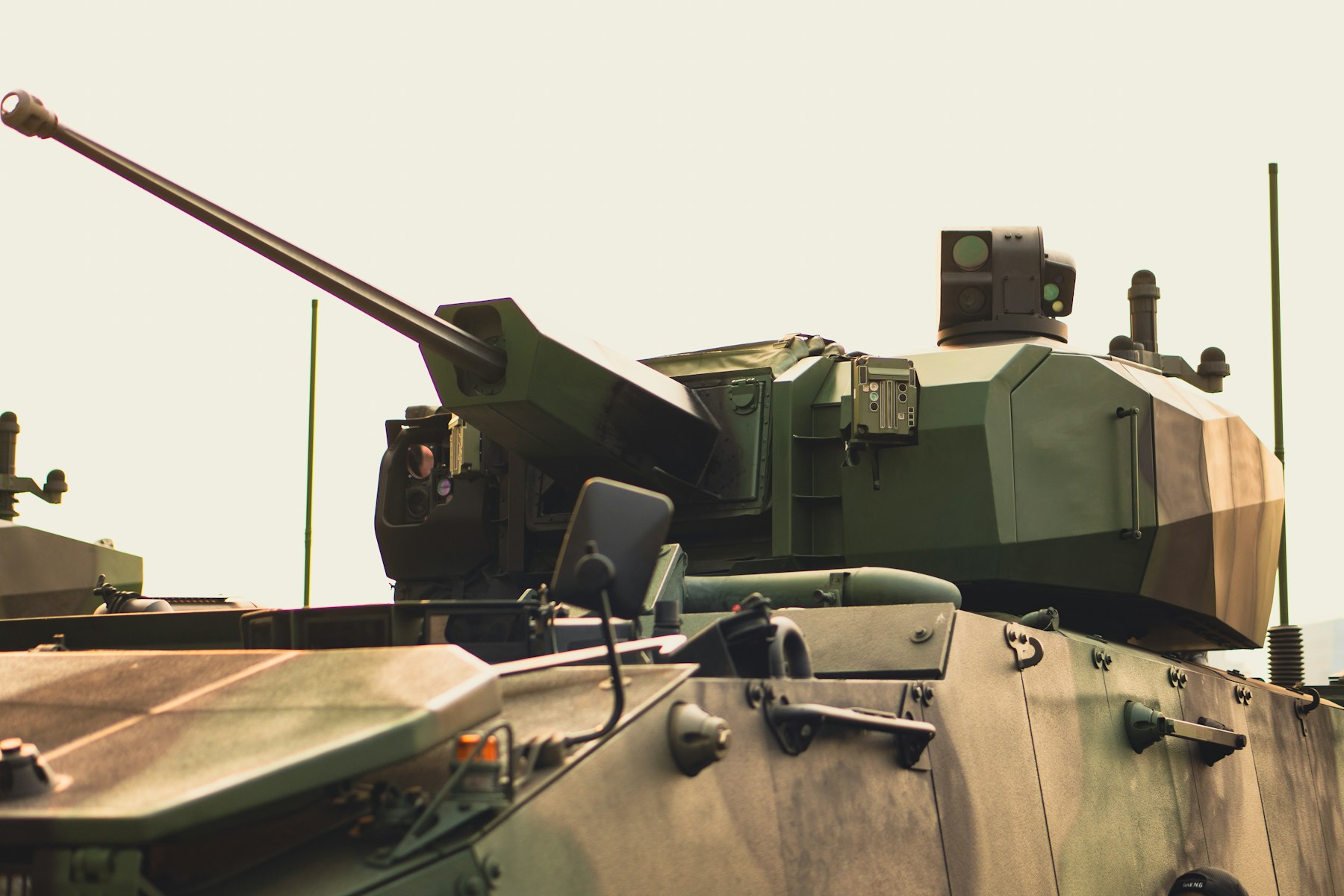
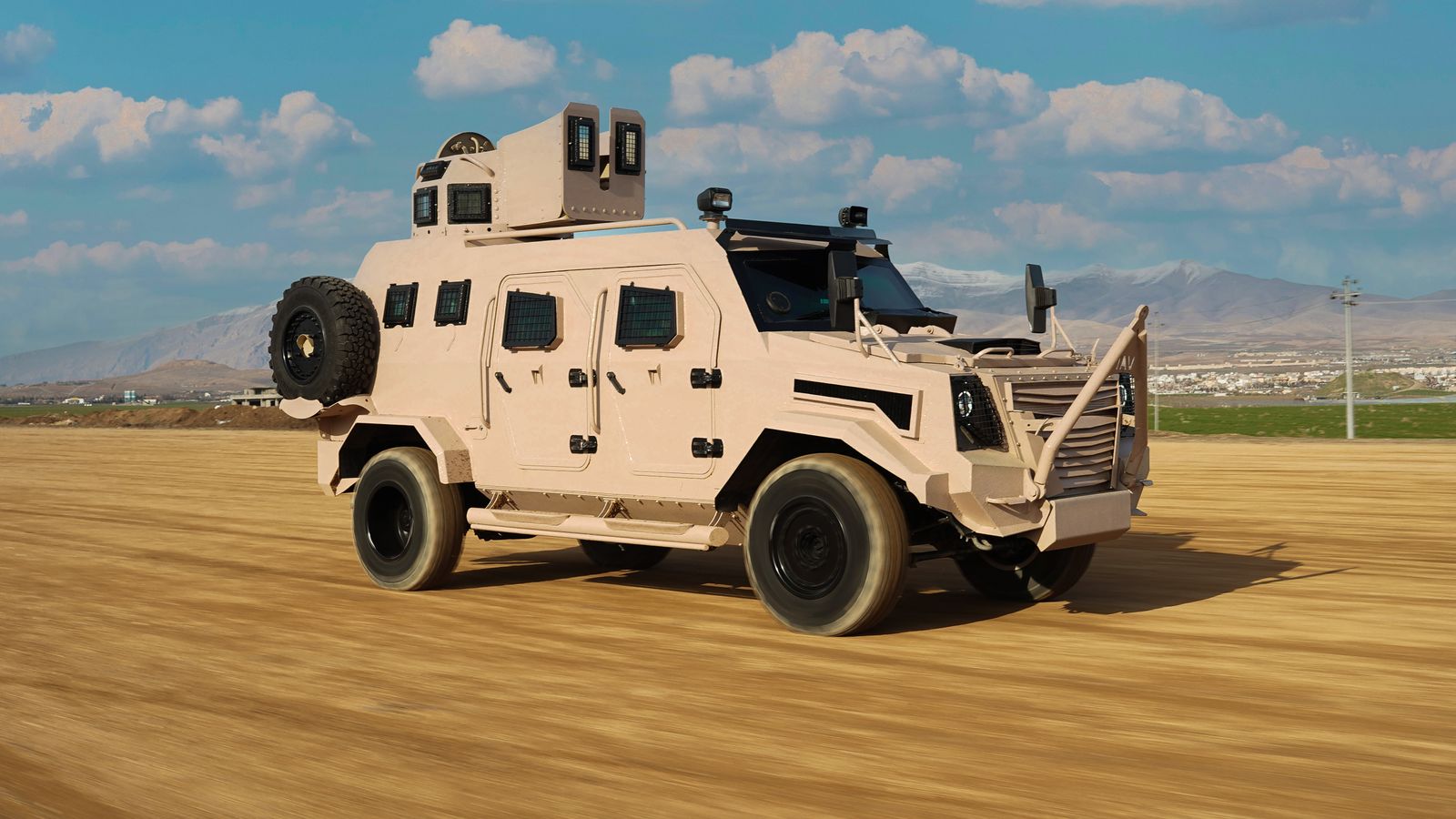
We provide vehicle dynamics, drivetrain, protection systems, and engineering development for tactical vehicles, armoured platforms, and special-mobility solutions. Hybrid/electric drivetrain capital from automotive is directly transferable engineering value into range, thermal signature reduction, and mission-continuity needs of tactical vehicles.

  • Tactical vehicle electrification architecture
  • Armoured vehicle suspension and dynamics
  • Hybrid/electric drivetrain adaptation
  • MIL-STD-compliant system engineering
  • Low-thermal-signature and silent-operation mode design
HybridDrivetrain
Unmanned Systems & Autonomy

/ 02

Unmanned Systems & Autonomy

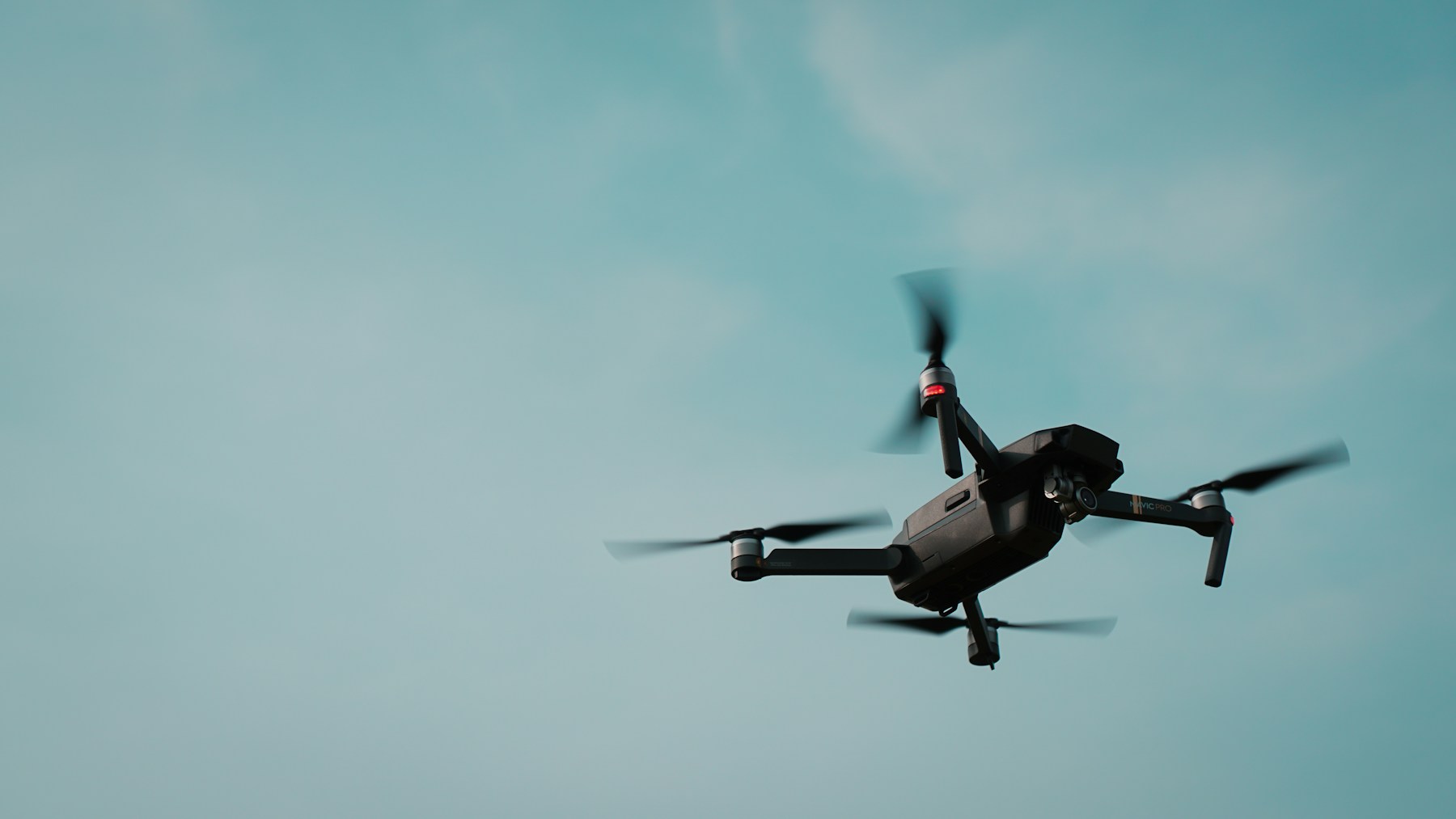
We develop autonomous navigation, mission-planning software, and sensor-fusion algorithms for unmanned ground/air vehicles (UGV/UAV) — and design multi-agent coordination and mission-based control architectures. The ADAS perception depth from automotive is reused, hardened for tougher environmental conditions like dust, fog, and jamming.

  • UGV/UAV autonomous navigation and mission control
  • Sensor fusion (camera, LiDAR, radar, IMU, GNSS)
  • Multi-agent (swarm) coordination algorithms
  • Localisation in GPS-denied environments (SLAM, VIO)
  • Anti-jamming and spoofed-signal detection
Multi-agentCoordination
Reliability & Certification

/ 03

Reliability & Certification

We provide system verification, reliability analysis, and certification process support per defence standards (MIL-STD-810, MIL-STD-461). MTBF, FMECA, and FTA analyses quantify the life expectancy and failure modes of every component; the resulting analysis becomes the core of certification files.

  • MIL-STD-810 environmental test and verification
  • MIL-STD-461 EMC test and compliance
  • Reliability analysis (MTBF, FMECA, FTA)
  • Certification process management
  • Operational-use feedback analysis
FMECAFailure-mode analysis

How we work

Mission-critical development in four steps

  1. 01

    Mission Definition & Constraint Analysis

    Clarification of mission scenarios, operational constraints, and regulatory frame.

  2. 02

    Architecture & Reliability

    System architecture, reliability analysis, and certification path designed in parallel.

  3. 03

    Verification & Test

    MIL-STD-810/461 tests, field validation, and operational assessment.

  4. 04

    Operations & Feedback

    Operational use, field-data analysis, and integration into the engineering cycle.

Why UzayTech?

Civilian discipline carried to mission quality.

/01

Transferred capital from automotive

Capital from ADAS, electrification, and embedded software is directly transferable to defence applications.

/02

Reliability consciousness

The responsibility behind every design decision is part of the team's daily work culture.

/03

MIL-STD ecosystem familiarity

Team experienced with MIL-STD-810, MIL-STD-461, and related certification processes.

Reliability is not a measured property — it is a manufactured discipline.
Uzay Defense Engineering Principle

A dependable engineering partner for your defence technology.

Contact us for tactical vehicle, unmanned systems, or defence electronics projects.